Breathing affects far more than your lungs. It can influence how you sleep, how your jaws develop, your ability to concentrate, and how you feel throughout the day.
Our airway dentistry approach looks beyond the teeth to evaluate how the mouth, tongue, jaws, and airway work together. With personalized care that may include palatal expansion and Myobrace® treatment, we can support healthier breathing, balanced development, and better whole-body wellness.
Airway dentistry focuses on identifying oral and facial factors that may contribute to restricted breathing or sleep-disordered breathing. A narrow palate, underdeveloped jaws, improper tongue posture, mouth breathing, and crowded teeth may all affect the space available for the tongue and airway. Instead of treating crooked teeth or restless sleep as isolated concerns, we consider how oral development and breathing patterns are connected.
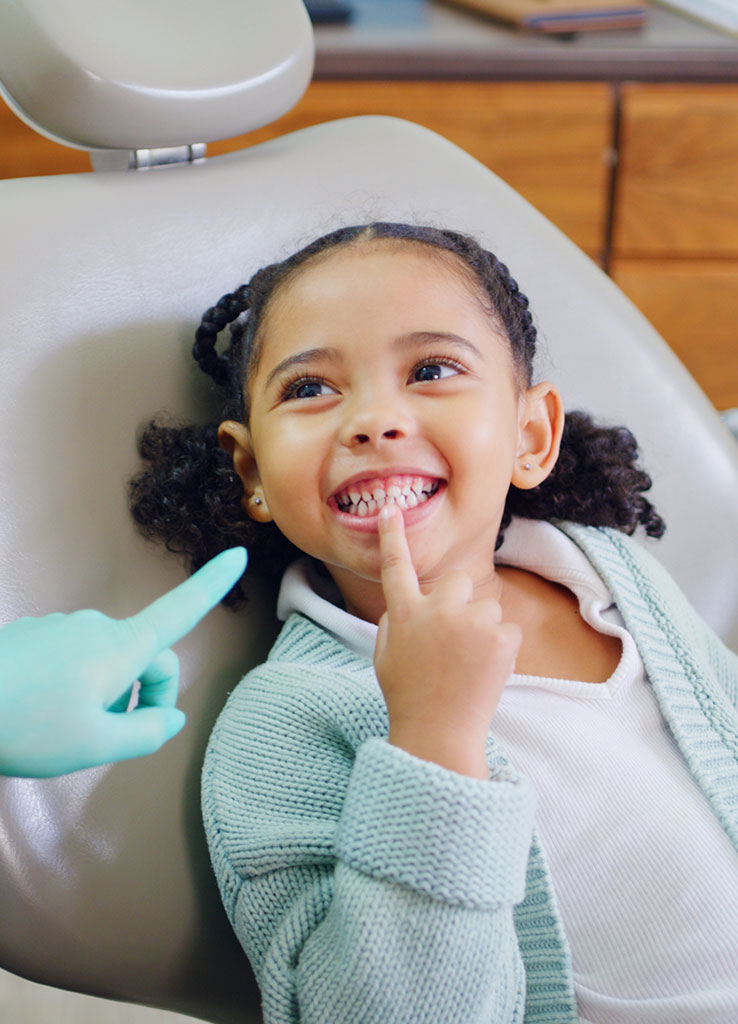
Early evaluation is especially valuable for children because their jaws and facial structures are still growing. Adults experiencing snoring, poor sleep, morning headaches, or daytime fatigue may also benefit from an airway-focused dental evaluation. Airway dentistry in Manhasset and North Bellmore, NY, does not replace a diagnosis or treatment from a physician or sleep specialist. When appropriate, we collaborate with other healthcare providers to help patients receive comprehensive care.
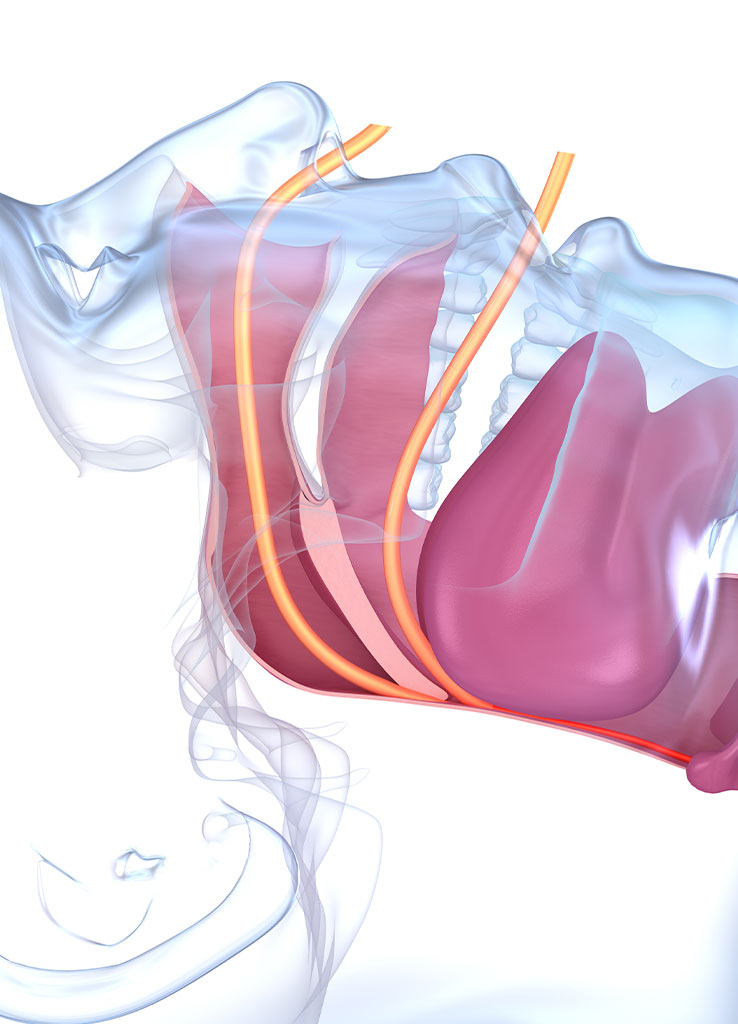
Breathing difficulties do not always look the way patients expect. Loud snoring may be an obvious warning sign, but restricted airflow can also manifest in everyday habits, sleep concerns, dental development, or changes in behavior. Signs that may indicate the need for an airway evaluation include:

Every airway dentistry treatment plan at Be Dental begins with a thorough evaluation. We assess the teeth, bite, jaw development, palate, tongue posture, swallowing patterns, and breathing habits to better understand what may be contributing to your symptoms.
When needed, advanced digital imaging allows us to examine the jaws and surrounding structures in greater detail. We also take time to discuss sleep quality, snoring, daytime symptoms, oral habits, and medical history. If we identify signs of possible obstructive sleep apnea or another medical condition, we may recommend an evaluation with your physician, an ENT, or a sleep specialist before or alongside dental treatment.
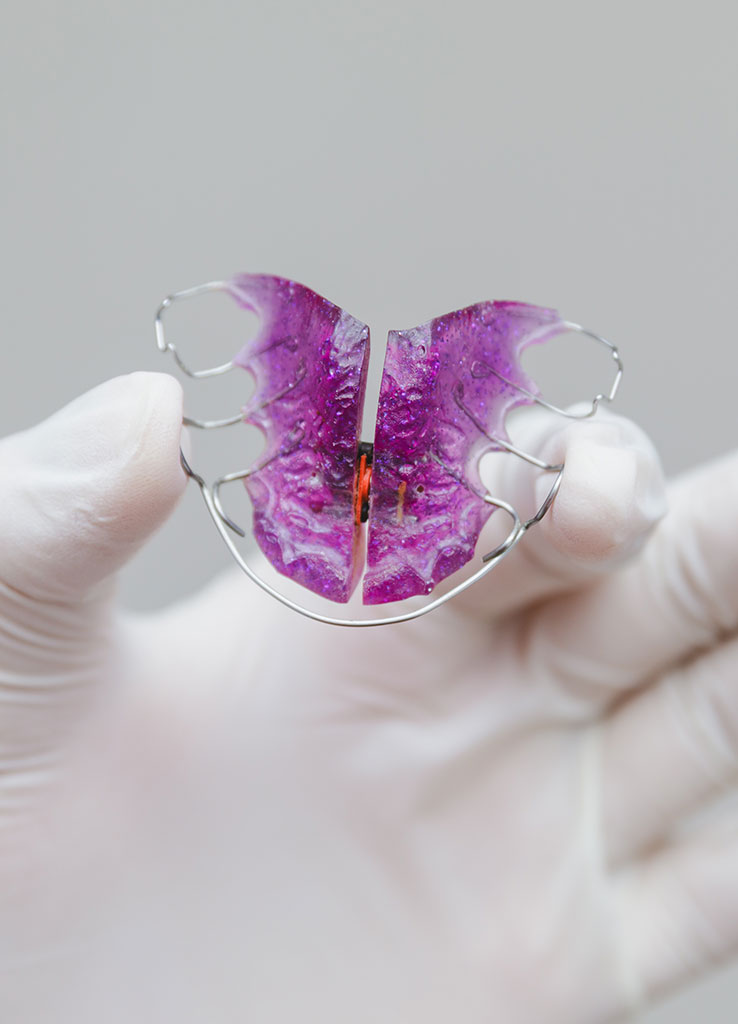
A narrow upper jaw can contribute to crowded teeth, an improper bite, limited space for the tongue, and difficulty breathing comfortably through the nose. Palatal expansion gradually widens the upper arch to support more balanced jaw development and create additional room for the teeth and tongue.
For growing children, treatment can guide development while facial structures remain responsive. Expanding a constricted palate may also support nasal airflow when jaw structure is a contributing factor to restricted breathing. Treatment is carefully planned and monitored according to each patient’s age, anatomy, development, and individual needs.
Palatal expansion is not a one-size-fits-all treatment or a guaranteed cure for sleep apnea. Our goal is to address the structural concerns within our scope while coordinating care when other medical or anatomical factors are involved.

Myobrace is a removable pre-orthodontic treatment system designed to address the oral habits that can contribute to poor jaw development and crowded teeth. Rather than focusing only on straightening teeth, Myobrace treatment helps children practice nasal breathing, proper tongue posture, correct swallowing, and keep the lips together at rest.
The appliance is typically worn for a short period during the day and overnight, although every child’s treatment plan may differ. Myobrace Activities may also be recommended to reinforce healthy breathing, tongue, lip, and swallowing patterns. Consistent wear and daily participation are essential for achieving the best possible outcome.
No two faces, airways, or breathing patterns are exactly alike. Depending on what we discover during your evaluation, care may include Myobrace treatment, palatal expansion, myofunctional exercises, habit correction, orthodontic guidance, or collaboration with another healthcare professional.
We monitor progress closely and make adjustments as the teeth, jaws, tongue function, and breathing patterns change. Because airway-focused treatment often depends on developing new habits, patient and parent participation play an important role. Our team will explain each recommendation clearly so your family understands what to expect and how to support progress at home.

A child can be evaluated as soon as symptoms or developmental concerns appear. Early childhood is often an ideal time to identify mouth breathing, poor tongue posture, narrow jaw development, and harmful oral habits because treatment can work alongside natural growth.
Occasional snoring during a cold may not be concerning, but frequent or loud snoring should not be ignored. It can be associated with nasal obstruction, enlarged tonsils or adenoids, restricted oral development, or sleep-disordered breathing.
Patients may notice pressure or temporary tenderness as the appliance begins working, but treatment should not be painful. Most children adjust quickly, and we provide detailed instructions for keeping the appliance clean and comfortable.
Yes. Adults experiencing snoring, mouth breathing, teeth grinding, poor-quality sleep, or daytime fatigue may benefit from an airway evaluation. Because adult facial structures are fully developed, treatment options differ from those used for growing children and may require collaboration with additional providers.